Ученици Гимназије Зајечар освојили су прво место на Регионалном такмичењу ученичких компанија за југоисточну Србију, одржаном у Нишу. Са својом ученичком компанијом они су, након представљања производа и разговора са стручним жиријем, били најуспешнији у конкуренцији 21 ученичке компаније из региона.
WoofGuard је паметан додатак за огрлицу који власницима паса омогућава праћење физичке активности и општег стања љубимца, уз препоруке за оптималну бригу о здрављу пса.
Наш тим чине ученици: Теодора Игњатовић Никола Јолић Вељко Љубисављевић Лазар Станковић Алекса Кржан
Ментор тима је наставница Данијела Митов, а бизнис ментор Марко Миленковић из компаније Nordeus.
Ученицима и менторима честитамо на изузетном успеху и желимо им много успеха у даљем раду и развоју њихове ученичке компаније.
For an enriching experience, consider taking part in guided walking tours that showcase the charm and history of this unique location. Stroll along the streets where stories of the past come alive, offering glimpses into a rich tapestry of cultural heritage. Each step brings you closer to understanding the significance of this area.
As you wander, you’ll encounter captivating sculptures that serve as artistic reflections of the local history. These impressive works not only beautify the surroundings but also tell stories that connect the present to the past. Each piece encourages visitors to pause, reflect, and appreciate the layers of narratives embedded in the community.
Dive into the local ambiance and engage with the narratives that shaped Tibooburra. The blend of art, history, and culture will leave you with a deeper appreciation for this remarkable destination. Uncover the stories that have unfolded here and discover the spirit of a place that celebrates its unique identity.
Key buildings and landmarks to spot along the main thoroughfare
Begin with the iconic post office, a classic example of early 20th-century architecture. Its brick façade and vintage signage offer insight into the town’s history and invite photography enthusiasts along walking tours.
Nearby, the courthouse stands as a symbol of local governance, reflecting colonial influences in its sturdy stone construction. Guided strolls often highlight its role in shaping regional law and civic life.
Art lovers will appreciate the community gallery, showcasing local art created by residents. Exhibits change seasonally, providing a glimpse into cultural heritage through paintings, sculptures, and craftwork.
The historic hotel, with its timber verandah, serves both as an accommodation and a meeting place for travelers. Its walls echo stories from decades past, offering subtle lessons in social history and regional hospitality.
A short distance away, a heritage church draws attention with its stained glass windows and preserved wooden pews. Walking tours frequently pause here to discuss religious traditions and community gatherings of yesteryear.
Do not miss the old general store, a lively reminder of commerce before modern retail chains. Memorabilia on display tells a tale of trade, barter, and daily life, keeping the town’s cultural heritage alive for visitors.
Finish your exploration at the war memorial, a modest yet poignant landmark. It honors local service members, blending historical education with reflective moments, often highlighted in heritage-focused walking tours.
Reading the gold rush and frontier-era story in the street
Begin with the building materials: rough stone, corrugated iron, weathered timber, and sun-faded paint often point to mining-era urgency, while later brickwork can mark a steadier chapter of settlement history.
Scan façades for signs of adaptation. A former store may show a widened doorway for pack animals, a narrow verandah for shade, or patched walls where owners expanded rooms as trade, stock, and travellers increased.
Look higher and lower at once. Signboards, rooflines, hitching rails, drains, and footpaths can reveal how a frontier centre functioned before cars; these traces also guide walking tours that map trade routes, watering points, and places of rest.
Read inscriptions, dates, and place names with care. A carved date might mark a claim holder’s arrival, while a changed business name can reflect shifts in ownership, transport, or local fortunes tied to ore, wool, or supply traffic. Nearby tibooburramotelau.com can help frame a stop for deeper context.
Search for uneven stonework that hints at hurried construction.
Notice verandahs built wide enough to soften harsh sun and dust.
Compare older shop fronts with later repairs to see how trade changed.
Study any sculpture or public art for references to miners, stockmen, or survey lines.
Use the street as a layered archive of cultural heritage: every sign, setback, and rebuilt wall can speak about risk, endurance, and the daily routines that shaped a desert township during the gold rush and frontier years.
Practical walking route for seeing the street on foot
Begin at the southern end and follow the frontage northward at a slow pace; this route keeps you close to shopfronts, stonework, and site markers, making walking tours simple to follow.
Pause at each heritage plaque and read the short notes on history, since many buildings reveal layers of frontier life, trade, and settlement in a few square metres.
Stay on the shaded side where possible, then cross only at clear sightlines; that method lets you study façades, verandas, and masonry without hurrying past cultural heritage details.
For local art, set aside time near gallery walls, painted signs, and sculptural pieces placed close to doorways; these stops work well as short breaks between longer stretches of pavement.
Stop
What to see
Suggested time
South entry
Street marker, early façades
10 minutes
Central block
Heritage plaques, shopfront details
20 minutes
North end
Art displays, civic buildings
15 minutes
Use a one-way loop if the sun is low, because it reduces backtracking and keeps the route easy to manage with water, a hat, and a phone map.
For a fuller reading of history, step inside any public doorway open to visitors, then return to the footpath and compare interior stories with exterior features.
A round trip of about forty-five minutes suits most visitors, while slower walkers may prefer an hour to linger at signs, corners, and shaded benches.
Finish by retracing the final block at sunset; the softer light suits photographs, and the sequence of buildings gives a clear view of cultural heritage and local art in one continuous line.
What to photograph and where to pause for the best street views
Capture stunning images of cultural heritage by focusing on vintage buildings and unique sculptures that reflect the town’s rich history. Iconic locations such as the old post office or the charming general store make excellent backdrops for memorable photographs. Dedicated paths offer ample opportunities to appreciate the artistry embedded in these structures while soaking in the surroundings.
Take a moment to pause at the intersection of main avenues where walking tours often gather. Here, observe the blending of modern life with historical elements, providing an intriguing contrast. Engaging with local guides can enhance your understanding of historical significance, adding depth to your visuals. Don’t miss the chance to photograph locals interacting with visitors, showcasing the welcoming spirit of the community.
Q&A:
What is the historical significance of Tibooburra’s Main Street?
Tibooburra’s Main Street is a reflection of the town’s rich heritage, showcasing buildings and structures that date back to its early days during the mining boom. Each establishment tells a story of the life and culture of the residents, highlighting the development of commerce and community in this remote Australian outback.
Are there guided tours available for visitors in the open-air museum?
Yes, guided tours are offered regularly, allowing visitors to explore the historical sites with knowledgeable guides. These tours provide insights into the history of Tibooburra and the significance of each location on Main Street, bringing the past to life through engaging storytelling.
What types of buildings can be found on Tibooburra’s Main Street?
Visitors to Tibooburra’s Main Street can find a variety of historical buildings, including old hotels, general stores, and the original post office. Many of these structures have been preserved and restored, providing a glimpse into the architectural styles of the time. Each building has unique features that represent the history of the region.
What activities can visitors engage in while exploring the open-air museum?
In addition to appreciating the historical buildings, visitors can participate in self-guided walks with informational signage about each site. There are also opportunities for photography, picnicking in designated areas, and engaging with local artists or craftsmen who may be showcasing their work in the vicinity.
Is there an admission fee to access Tibooburra’s Main Street open-air museum?
No, there is no admission fee to explore Tibooburra’s Main Street. The open-air museum is accessible to all, allowing everyone to enjoy the historical significance without a cost barrier. This encourages preservation and appreciation of the local history by both residents and tourists.
What can I expect to see on Tibooburra’s Historic Main Street?
Tibooburra’s Historic Main Street showcases a variety of preserved buildings and structures that reflect the area’s rich history. You can expect to see classic architecture from the 19th century, including the old Post Office, general stores, and pubs that once served as social hubs. Many of these buildings have been restored and offer insights into life during the gold rush era and the town’s development. Additionally, informative plaques are often available, detailing the significance of various sites along the street.
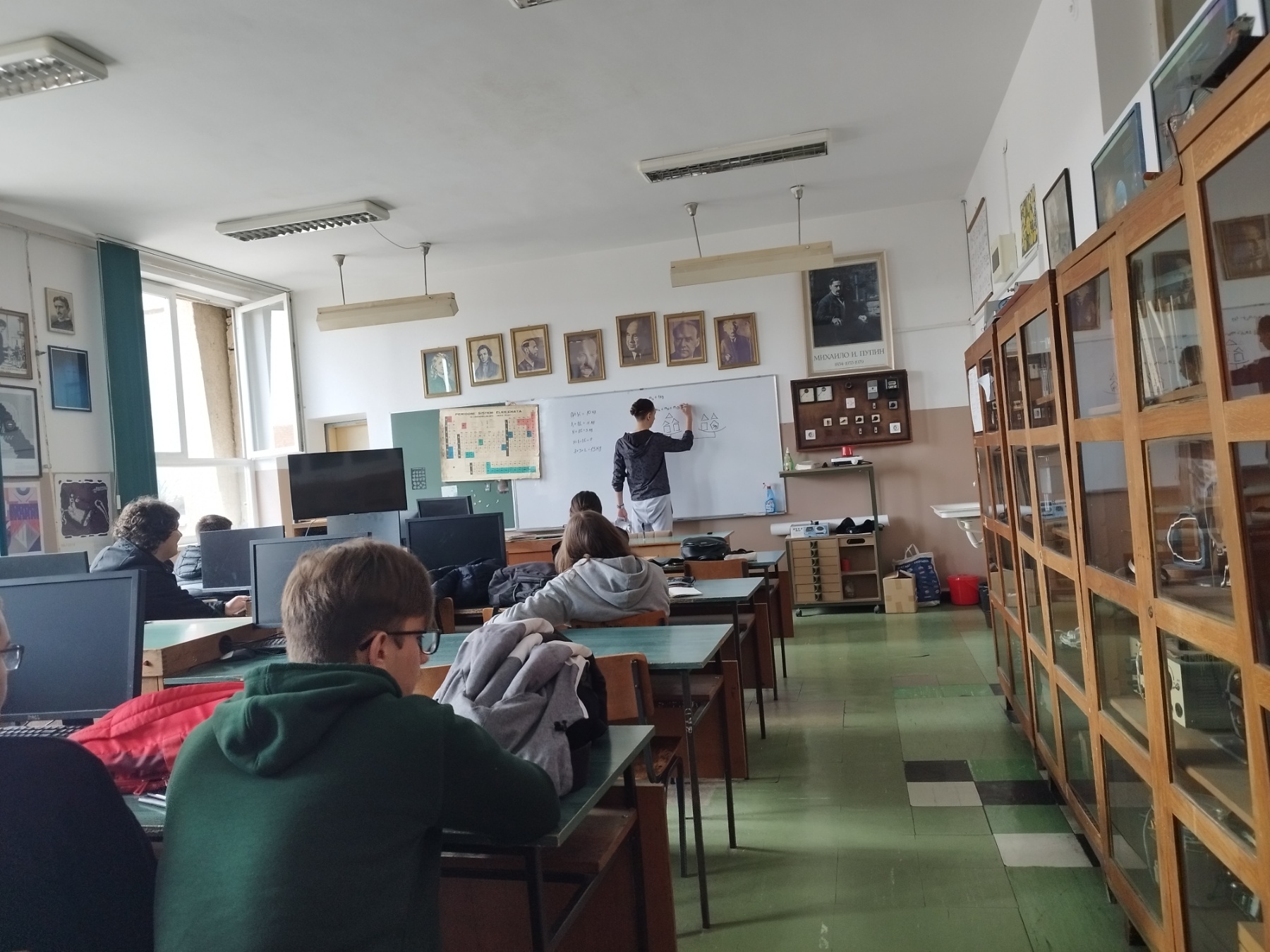
У Научном клубу Гимназије Зајечар у оквиру обележавања Маја месеца математике од 19. до 30. маја 2025. године кроз друштвене игре, предавања, изложбе и радионице ученицима је пружена могућност да науци приступе креативно и истраживачки. Научни клуб на овај начин код ученика подстиче радозналост, развија тимски рад и повезивање различитих области и садржаја.
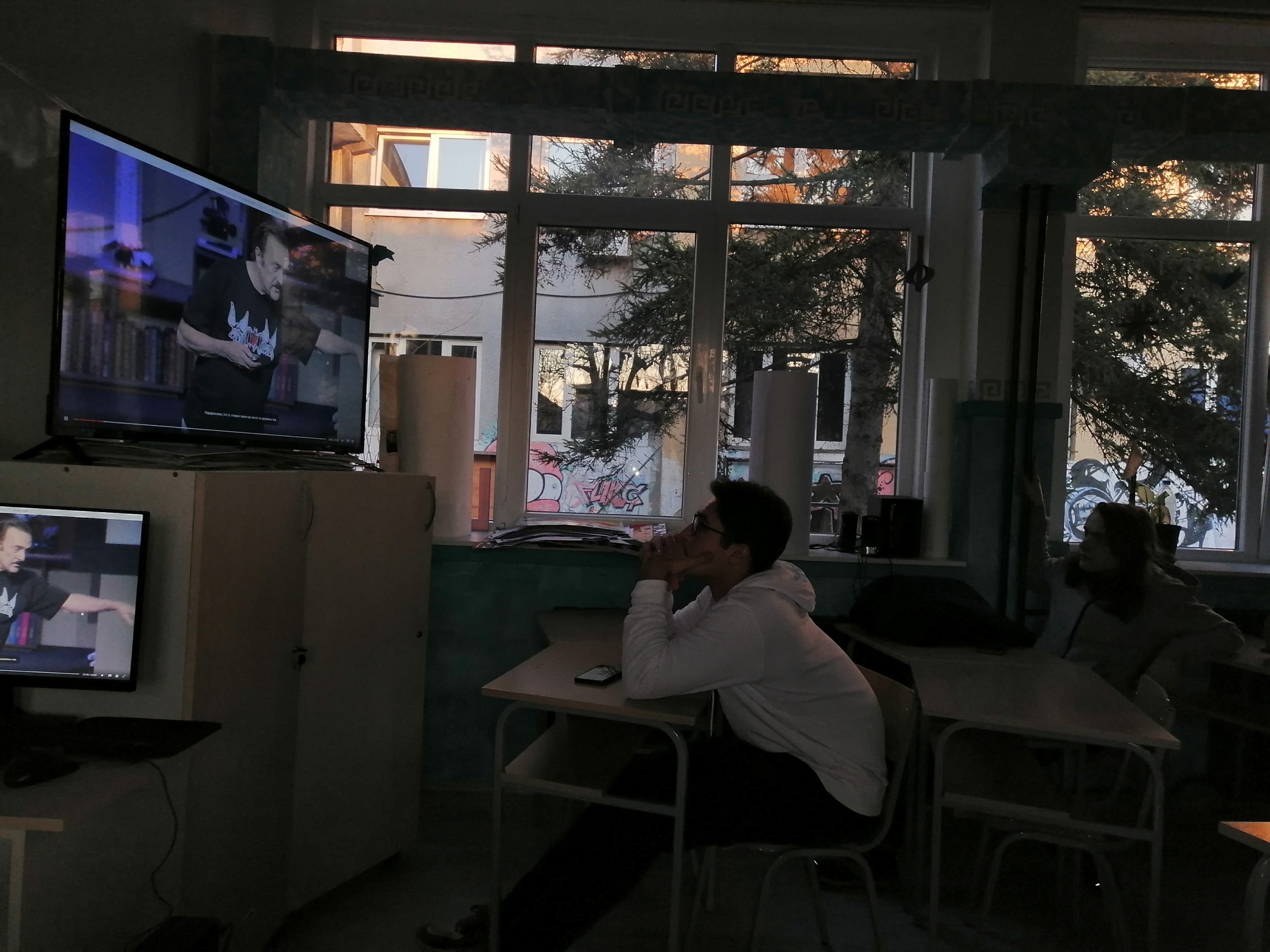
Трибина под називом „Комуникација са другим световима – какву поруку послати“, предавача Јована Алексића, физичара и члана астрономског друштва „Руђер Бошковић“, биће организована сутра, 6. новембра, у Омладинском центру у Зајечару.
„Откад постоји идеја о другим световима са интелигентним бићима, људи су замишљали неки вид комуникације са њима. Међутим, у стварности, врло је мало вероватно да ће друге цивилизације разумети наш језик. Шта је до сада покушавано и какву поруку треба послати да би евентуално била схваћена, биће представљено у овом предавању, пре свега забавном, али заснованом на научним принципима“, најављују из Омладинског центра.
Почетак трибине је у 18 сати, а улаз је бесплатан.
О предавачу:
Јован Алексић је физичар, члан астрономског друштва „Руђер Бошковић“, који се активно бави популаризацијом науке. У слободно време, воли да приближи озбиљну материју најширем кругу људи кроз држање популарних предавања, писање чланака и учешће у радио и ТВ емисијама. Аутор је и водитељ емисије „5 минута за физику и астрономију“ на TV Brainz.
У Гимназији Зајечар у петак 27.09.2024. године, са почетком у 18:00 часова, одржаће се Велико научно окупљање поводом завршетка Недеље истраживача.
У оквиру програма биће организована два научна квиза, гимназијалци ће представити рад на 3д штампачу, основе Ардуино програмирања, а посетиоци ће моћи и да уживају у будућој Паметној башти.
Посебан део програма чиниће и гости са Факултета за физичку хемију, Александра Ракић и Душан Димић, као и Срђан Ставрић, научни сарадник Института за нуклеарне науке Винча.
Зајечар ће на овај начин затворити овогодишњи програм, али ће Научни клуб наставити да организује и друга дешавања.